
Here’s the short answer: the will goes to the Pulaski County Circuit Court, not a county office. Arkansas gives you five years from the date of death to get it there. Wait longer than that, and the estate can permanently lose the ability to use the will at all.
That surprises a lot of people, because “filing a will” sounds like paperwork you just drop off somewhere. It’s actually the first step in a court case, with its own rules and deadlines. Skip it, or get it wrong, and banks and title companies may refuse to deal with the estate for months. This guide walks through where the will goes, what the executor has to do once it’s filed, and what happens if nobody files it at all.
A quick note on terms: the “executor” is the person named in the will to carry out its instructions. “Probate” is the court process of proving a will is valid, paying the person’s debts, and handing out what’s left to the right people.
The Short Version
The will goes to the circuit court in the county where the person lived when they died. For Jacksonville, AR residents, that’s Pulaski County. You bring the original signed will (not a copy), a certified death certificate, and any forms the clerk’s office asks for, along with a filing fee.
The executor has five years from the date of death to get the will admitted to probate. Waiting that long is legal, but it’s rarely a good idea.
Filing the will and going through full probate aren’t always the same thing. Some estates need the full process. Others don’t, because most of what the person owned already has a clear path to the right person, like a joint bank account or a beneficiary listed on a retirement account. Even then, the will usually still needs to reach the court to make everything official.
Why the Will Has to Reach the Court at All
It’s What Gives the Executor Authority
Without a court order accepting the will, the executor doesn’t actually have legal authority to do anything with the estate. Banks won’t release funds. Title companies won’t clear a house for sale. Filing the will is what turns “I’m named executor in this document” into something a bank has to recognize and act on.
Filing Isn’t the Same as Full Probate
Filing just means handing the original will over to the court. Full probate is the bigger process that can follow: paying debts, then distributing whatever is left. Some estates skip most of that bigger process. But the will itself usually still needs to be on file with the court, even in a simpler estate.
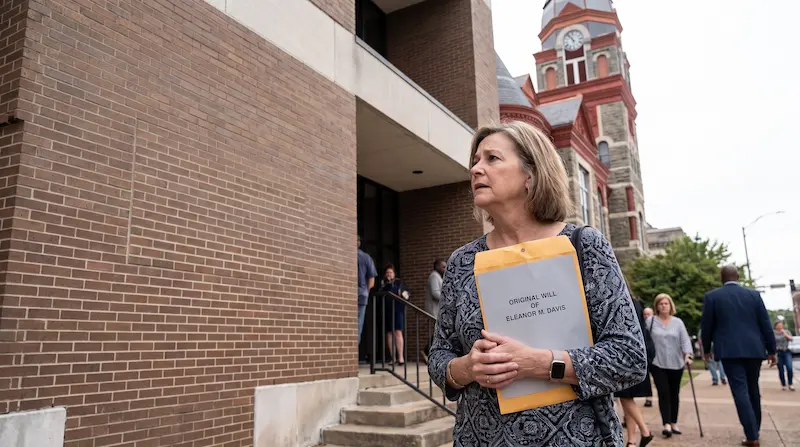
Where to File: The Circuit Court in Pulaski County
Arkansas handles wills and estates through the circuit court, and under § 28-1-104, the circuit court is the one with authority over probate matters. Under § 28-40-102, the right county is wherever the person lived when they died. For most Jacksonville, AR families, that’s the Pulaski County Circuit Court.
What to Bring
- The original, signed will — a photocopy isn’t accepted
- A certified copy of the death certificate
- Any cover sheets or forms the clerk’s office asks for
- Money for the filing fee, which depends on the size of the estate
Call the clerk’s office ahead of time to check the current fee and any local paperwork you’ll need.
You Can’t File a Living Person’s Will Ahead of Time
Some people ask if they can drop off their own will somewhere official now, so it’s easy to find later. Arkansas doesn’t have a system for that. There’s no statewide will registry. The filing process in this guide only applies after someone has died.
The real answer to “how do I make sure my will gets found” is simpler: keep the original somewhere safe but easy to get to, and make sure your executor knows exactly where it is. Many people also leave a copy with their estate planning attorney, since a missing or hard-to-find will is one of the most common reasons estates get delayed after a death.
Once the Will Is Filed, the Executor Has Real Work to Do
Being named executor isn’t just an honor. It’s a job with legal duties attached, and it starts the moment you learn someone has died and know a will exists.
Step 1: Find the Original Will
Look wherever the person might have kept it: a home safe, a bank safe deposit box, or an attorney’s office. If it’s in a safe deposit box, getting it out after death sometimes takes its own court order, which is worth knowing before you’re in a rush.
Step 2: File It With the Court
Take the original will and the death certificate to the Pulaski County Circuit Court.
Step 3: Get Letters Testamentary
Once the court reviews the will and confirms it’s valid, it admits the will to probate and gives the executor a document called Letters Testamentary. This is the paper that actually lets the executor manage bank accounts, deal with creditors, and eventually hand out property.
Step 4: Handle the Rest of the Estate
With Letters Testamentary in hand, the executor is responsible for:
- Making a list of everything the person owned
- Letting creditors know and paying valid debts
- Filing the person’s final tax return, if one is needed
- Giving out property the way the will says
- Filing a final report with the court
Everyone with a legal interest in the estate has to be formally notified along the way according to § 28-1-112. An executor who skips a required notice, or hands out money before paying debts, can end up personally responsible for covering the mistake. Anyone can also ask the clerk in writing to be notified about what’s happening with a particular estate under § 28-40-108.
What Happens If Nobody Files the Will
If no valid will can be found, or one exists but nobody ever files it, Arkansas has a backup plan called intestacy, which simply means what happens when someone passes away with no will. Under this backup plan, real estate passes straight to the heirs, while personal belongings and money pass through a court-appointed administrator (§ 28-9-203) instead of an executor the person chose themselves.
The people who inherit under that backup plan aren’t necessarily who the person would have picked. A spouse might get less than intended. Kids from an earlier relationship might get treated differently than the family expects. Anything written in a letter, said out loud, or handled with a handshake has no legal weight. As far as the law is concerned, a will that never makes it to the courthouse might as well not exist.
A Spouse Can Still Challenge What the Will Says
Not every will sails through without a fight.
A surviving spouse who was married to the person for more than a year can choose to reject the will and take a share set by Arkansas law instead. But that choice has to be made within one month after the deadline for creditors to file claims against the estate (§ 28-39-403). Miss that window, and the option is usually gone for good.
If someone challenges a will on other grounds, like claiming it was forged or that the person was pressured into signing it, that fight happens in the same Pulaski County Circuit Court handling the rest of the case. Someone unhappy with a probate court’s decision generally has the right to appeal it (§ 28-1-116), which is part of why a contested will can drag out much longer than an uncontested one.
Frequently Asked Questions
In most cases, yes. Filing is what gives the estate an official record and gives the executor the authority to act. Even estates that qualify for a simpler process usually still need the will on file.
Arkansas generally requires a will to be filed within five years of the death. There are a few narrow exceptions, like when a will was hidden on purpose. If you’re past five years, don’t assume all is lost. Talk to an attorney right away instead.
You can. But filing is only the first step. What comes after it, like giving proper notice, dealing with creditors, and reporting to the court, can leave the executor personally responsible if something goes wrong. Most people find it’s worth having someone who knows Pulaski County’s process involved from the start.
No. Filing means handing the original will to the court. Probate is everything that follows: proving the will is valid, paying debts, and distributing what’s left. A will usually needs to be filed before probate can begin, even for a simple estate.
If a valid will truly can’t be located, Arkansas’s backup inheritance rules take over, and the estate goes to heirs based on a fixed formula instead of the person’s actual wishes. Before assuming there’s no will, check every place it might be, including any attorney’s office the person used.
You Don’t Have to Sort This Out Alone
If you’re holding a will and don’t know what comes next, that’s a normal place to be. Most people going through this for the first time are doing it while grieving, without ever having set foot in a probate case before.
I’ve been guiding Arkansas families through probate since 1992, and it’s most of what I do now: figuring out whether an estate needs full probate, filing the will and everything that follows with the Pulaski County Circuit Court, and walking the executor through each step before it happens. I charge a flat fee, so you’ll know the cost upfront, and when you call, you’ll reach me directly.
Schedule a free consultation and let’s talk about what your family’s situation actually needs.